Community ConnectorsOrganization · CBO

Community-Based Organisation · Kisii County, Kenya

We connect communities to the opportunities already meant for them.

Government funds, grants and programmes are set aside for groups like yours every single year. Most are never claimed, because nobody in the community was told they existed — or because the proposal was never written. We fix both.

8 public funds and programmes we help groups reach
630 learners at the school our borehole project would serve
47 counties covered by the affirmative action fund
30% of government procurement reserved by law for youth, women and PWDs

Who we are

A registered CBO that works with groups, not individuals.

We empower communities and registered groups by sensitising them on government opportunities, funds, grants, programmes and other available support.

We also train and support groups in proposal writing and resource mobilisation — helping them identify community needs, develop practical projects, prepare strong proposals, and approach potential partners and funding opportunities.

Our aim is to help communities access opportunities, mobilise resources, strengthen leadership and governance, and implement sustainable development projects that outlast any single grant. We work where the group already meets — in the community, in your own language, at your group's pace.
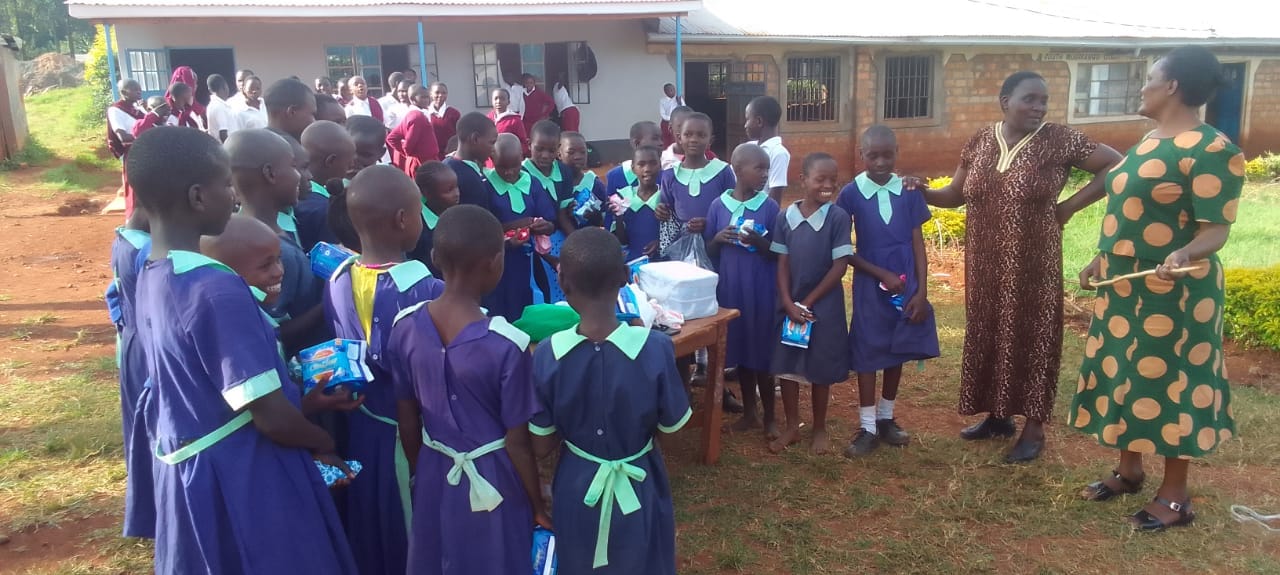
Pupils queuing at a table outside a classroom to collect packets of sanitary pads, with two women from the organising committee standing alongside.

What we do

Information, skills, and a group strong enough to hold the money.

Three things, done properly.

Sensitisation & awareness

Most groups miss out for one reason: nobody told them. We bring the information into the community — which funds exist, who qualifies, what they cover, and where to apply.

  • Community and group sensitisation forums
  • Eligibility screening for your group
  • Alerts on open windows and deadlines

Proposal writing & resource mobilisation

We train your group and then sit down and write with you — from the community need all the way to a proposal a funding committee can actually say yes to.

  • Needs assessment and problem analysis
  • Objectives, logframe and activity plan
  • Budgeting and monitoring plans
  • Donor mapping and partner approaches

Leadership, governance & group strengthening

Funders look at the group before they look at the proposal. We help you register properly, orient your officials, and keep the records that keep you eligible.

  • Group registration and regularisation
  • Constitution, minutes and member register
  • Officials' roles and basic bookkeeping
  • Annual renewal and quarterly reporting

How we work

From a need everybody talks about to a project that gets funded.

Six steps, in this order — each one depends on the last, which is why we rarely start in the middle.

  1. Listen and identify the need

    We sit with the community and name the real problem — not the assumed one. The need has to come from the people who live with it.

  2. Get the group ready

    Register or regularise the group, sort out leadership, constitution, minutes, member register and records. Almost every fund starts here.

  3. Shape a practical project

    Turn the need into something the group can genuinely run, at a size it can deliver, with a plan for what happens after the money is spent.

  4. Write a strong proposal

    Problem, objectives, activities, budget and monitoring plan — written against what that particular funder is actually asking for.

  5. Match and approach funders

    Map the right funds, grants, partners and programmes for your group, then make the approach together — committee, county office, or partner.

  6. Implement, monitor and report

    Support delivery, keep the books and records, report on time — and put the group in a stronger position for the next round.

Our work

We do not only point groups at funding. We run projects too.

Proposal submitted · seeking a partner

A borehole for Kiorori Primary & Secondary School.

Kiorori Primary and Secondary School in Tabaka Ward has no reliable source of clean water. The school depends on a nearby river and on rainwater harvesting. When the springs dry up, learners and staff fall back on the river.

That is not only a water problem. Learners who leave the compound to fetch water are outside adult supervision, which is a child protection risk. Sanitation is harder to keep functional, handwashing points do not work consistently, and for adolescent girls poor water and sanitation makes managing menstruation at school difficult enough that some stay home.

We have submitted a proposal to the Lake Victoria South Water Works Development Agency for the drilling and equipping of a borehole at the school.

Who it serves
630 learners, plus staff and surrounding households
Where
Kiorori, Tabaka Ward, Kisii County
Status
Seeking technical and financial partners
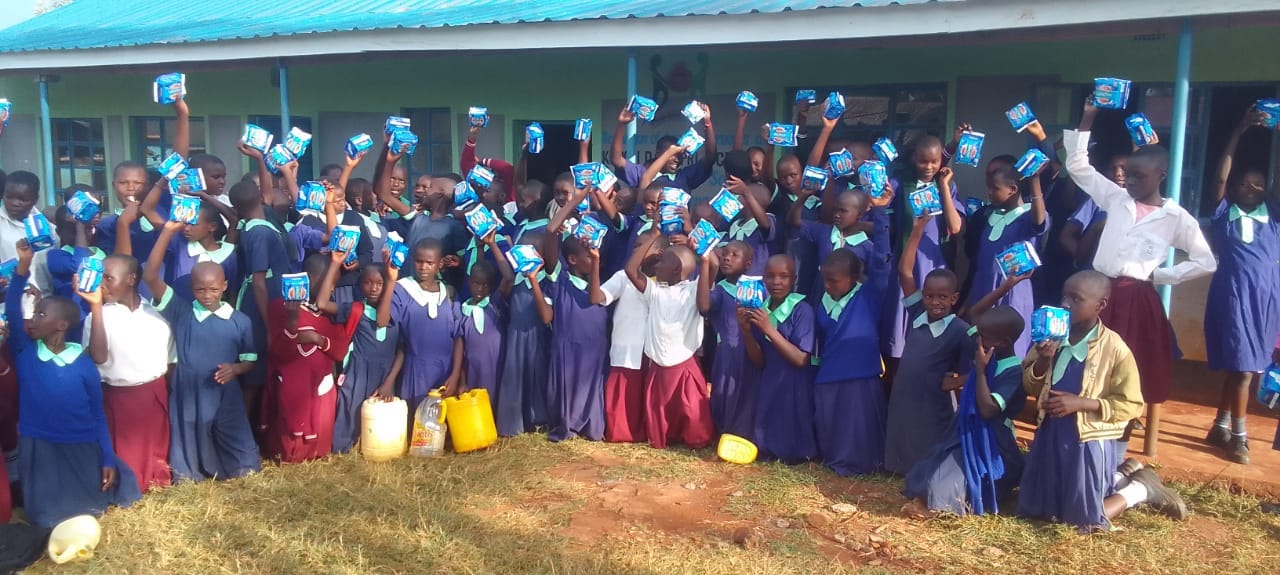
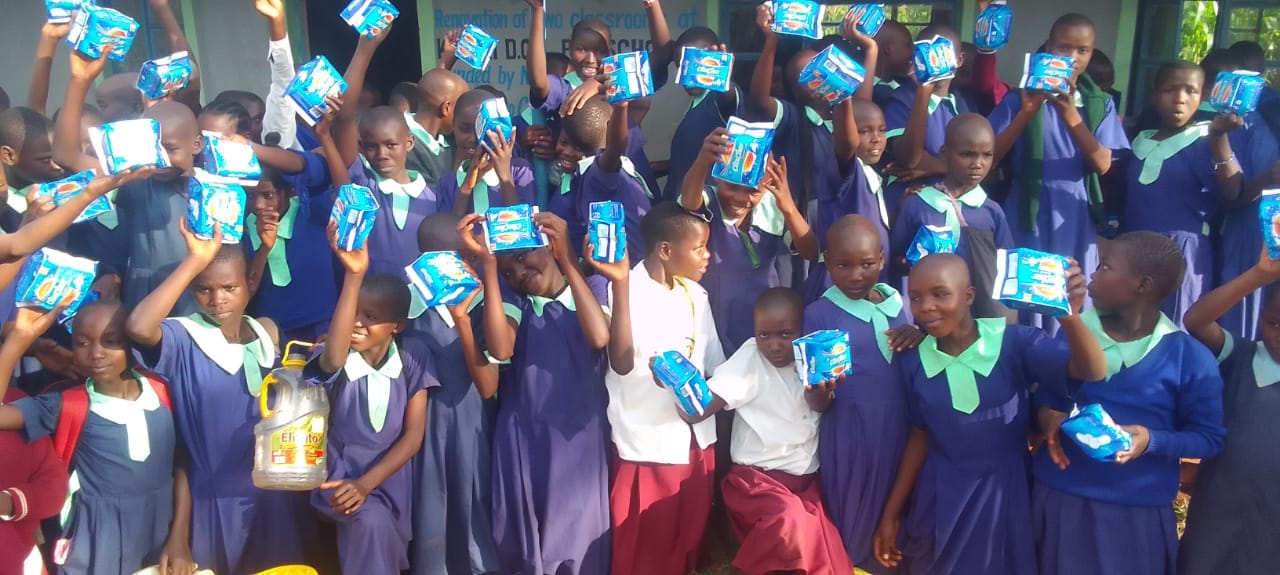
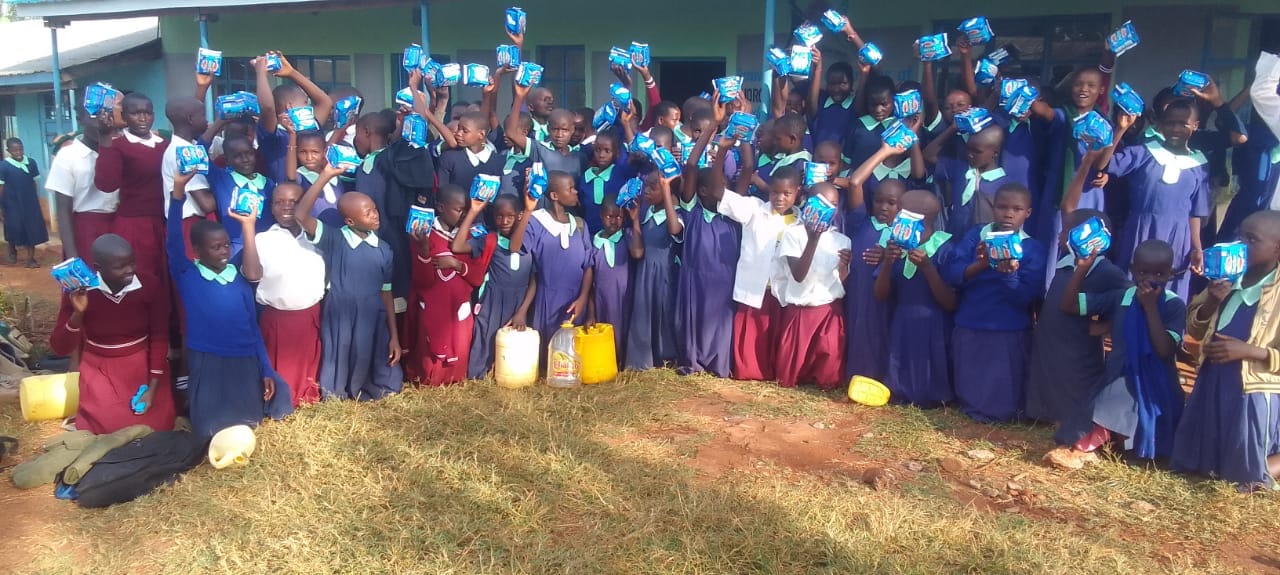
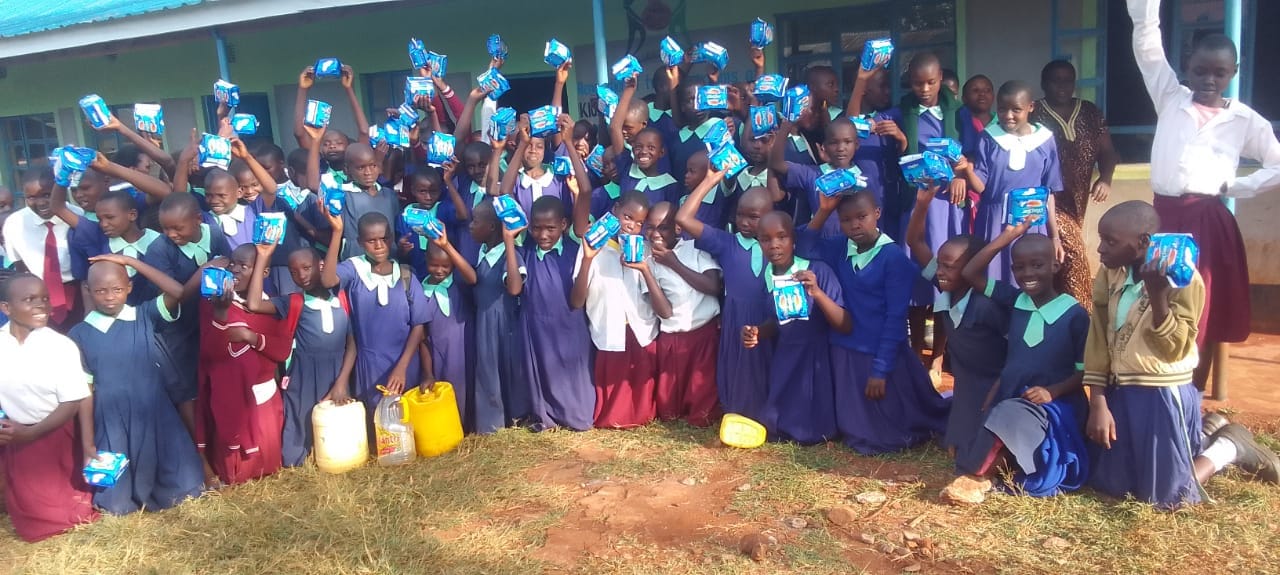
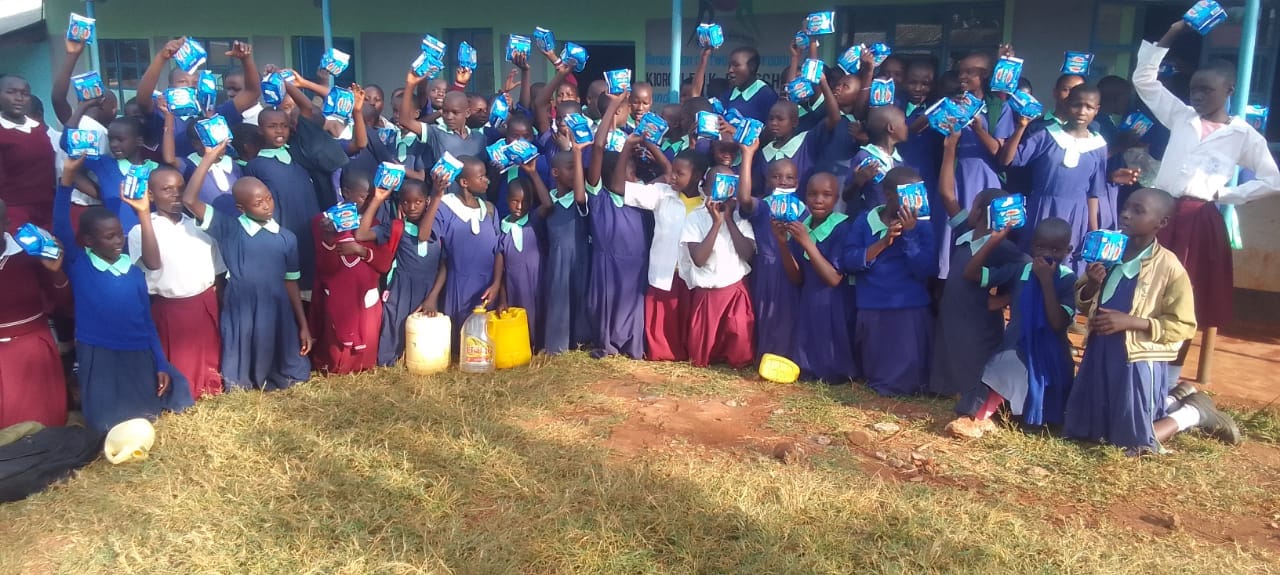
Pupils gathered outside the classrooms at Kiorori Primary School, holding up packets of sanitary pads.

What the borehole project involves

The final depth, casing, pump capacity, power system and storage will be set by qualified professionals after the survey and drilling results — not assumed in advance. A borehole sized on a guess is a borehole that fails in year three.

  • Professional hydrogeological survey and site identification
  • Borehole drilling and construction to the recommended design
  • Development and test pumping to establish sustainable yield
  • Laboratory water-quality testing before any drinking use
  • Pump and power system — solar or mains, on technical assessment
  • Storage tank, distribution pipes and priority water points
  • Sanitary protection and drainage around the borehole
  • Training a school and community water-management committee

A water-management committee, maintenance records and a clear repair-response mechanism are part of the design rather than an afterthought — which is what separates a borehole still working in ten years from one abandoned in two.

Delivered

Sanitary towels at Kiorori Primary School.

A girl without sanitary towels can miss up to a week of school a month — over a year, a term's worth of learning. It is one of the quietest reasons girls fall behind and then drop out altogether, and it is well within what a women's group or a school committee can fund locally once somebody shows them how to ask.

Opportunities

Public money set aside for groups like yours, and how to reach it.

This is the ground we cover in a sensitisation session. Bring us your group and we will work out which of these you actually qualify for — and what has to be in place first.

  • Uwezo Fund

    Interest-free

    Group lending for women, youth and persons with disabilities, run through constituency committees. You repay the principal only — there is no interest on the loan.

    Who qualifies
    Registered groups of women, youth or persons with disabilities
    Amount
    KES 50,000 – 500,000 per group
    Where to start
    Your Constituency Uwezo Fund Committee
  • Women Enterprise Fund

    Groups & individuals

    Affordable credit and enterprise support for women. Since 2007 the fund has disbursed over KES 28 billion to more than 2.25 million women across all 290 constituencies.

    Who qualifies
    Women's groups and individual women in business
    Where to start
    Constituency WEF office or a partner institution
  • Youth Enterprise Development Fund

    Youth

    Enterprise loans, market linkage and capacity support for youth-owned businesses and youth groups, administered at constituency level.

    Who qualifies
    Youth groups and youth-owned enterprises
    Where to start
    Your constituency Youth Development Officer
  • NGAAF

    All 47 counties

    The National Government Affirmative Action Fund backs projects run by CBOs and self-help groups that improve the livelihoods of vulnerable groups.

    Who qualifies
    CBOs and self-help groups with community-driven projects
    Where to start
    Your county NGAAF coordinator, or the office of your County Woman Representative
  • Hustler Fund

    Digital

    Digital credit and savings with no collateral and no paperwork. Interest is capped at 8% per year. Useful for working capital while a bigger application is in progress.

    Who qualifies
    Kenyans aged 18 and above, on Safaricom, Airtel or Telkom
    Where to start
    Dial *254# · hustlerfund.go.ke
  • AGPO

    30% reserved

    30% of government procurement is reserved by law for enterprises owned by youth, women and persons with disabilities — under Articles 227 and 55 of the Constitution and the Public Procurement and Asset Disposal Act, 2015.

    Who qualifies
    A registered entity with at least 70% membership and 100% leadership from the target group. Youth means 18–35; women qualify at any age.
    Certificate
    Free, and valid for 2 years
    Where to start
    Register free at agpo.go.ke or any Huduma Centre
  • NG-CDF

    Constituency

    Not less than 2.5% of the national government's share of revenue goes to projects identified at constituency level. Communities propose and prioritise those projects at ward public participation forums — that meeting is your entry point.

    Who qualifies
    Communities, schools and learners within the constituency
    Note
    The fund is operating, but its constitutionality is still before the Supreme Court after the Court of Appeal upheld it in February 2026. Confirm at your constituency office before you plan around it.
    Where to start
    Attend your ward forum · ngcdf.go.ke
  • County & ward opportunities

    Devolved

    County bursaries, ward development allocations, county grants and sector programmes. These rarely get advertised widely — public participation is how community projects get onto the list in the first place.

    Who qualifies
    Groups and community projects within the county
    Where to start
    Your ward administrator and the county public participation calendar

Get your group registration-ready

Almost every fund on this list asks for a properly registered group first. Groups are registered under the Community Groups Registration Act, 2022, through your county Social Protection office. Here is what you need to have in hand:

  • At least five members
  • A unique group name — do a name search before anything else
  • A signed group constitution
  • Minutes of the formation meeting showing the elected officials
  • A member list: name, position, ID number, phone and signature
  • ID copies and passport photos of the officials
  • The registration fee — typically KES 1,000, though some counties charge more

Then, to stay eligible: renew the certificate every year, submit quarterly progress reports, and keep your records available to the registering authority. We walk groups through all of it — and fix the paperwork of groups that registered years ago and went quiet.

Who we serve

If people have organised themselves, we can work with you.

  • Self-help groups
  • Women's groups
  • Youth groups
  • Groups of persons with disabilities
  • Community-based organisations
  • Chamas & table-banking groups
  • Faith-based groups
  • Farmer groups & cooperatives
  • Water & sanitation projects
  • Health and education committees
  • Environment & conservation groups
  • Groups not yet registered

Not registered yet? That is often the first thing we help with — a group that exists on paper is a group that can apply.

Get in touch

Talk to us about your group.

Tell us how many members you have, whether you are registered, and what you are trying to do.

Who you will speak to
Catherine Bochere Omwoyo
Phone & WhatsApp
+254 740 477 685
Where to find us
Kiorori, Tabaka Ward, Kisii County, Kenya